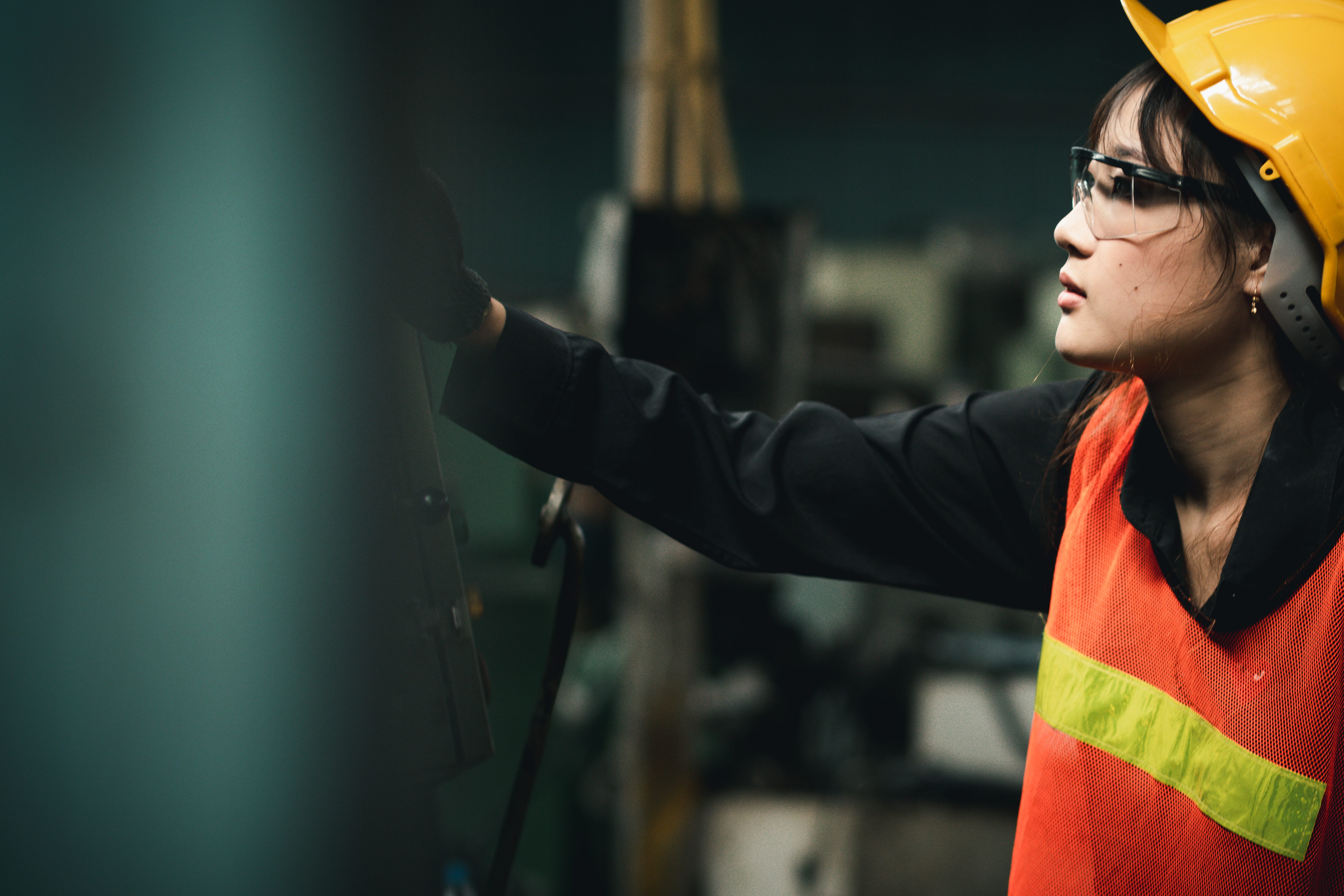
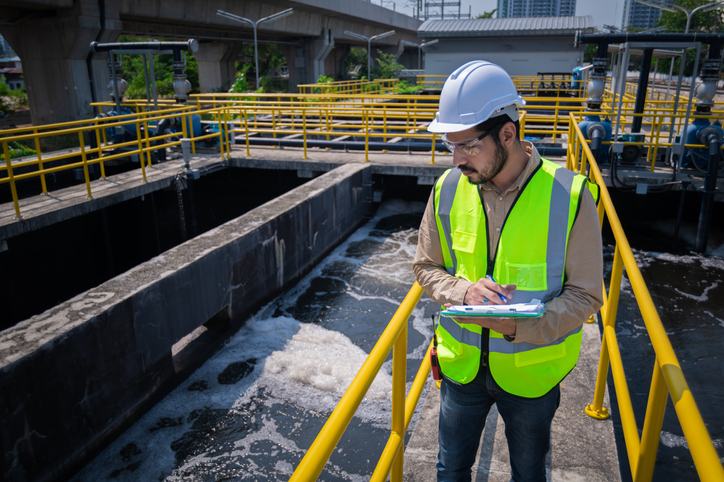
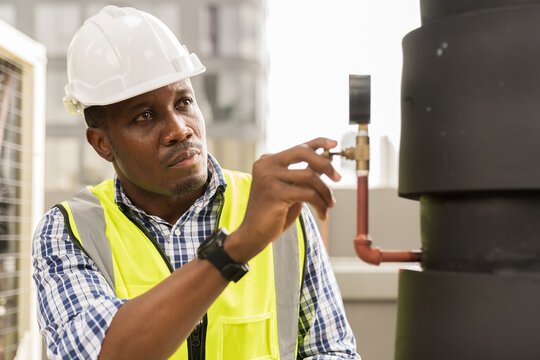
Driving, operating equipment, working at height, or providing patient care — all of these create situations where touching a phone isn't practical. Voice-activated check-ins and SOS via Siri or Google Assistant remove the friction entirely. If a platform requires manual interaction in every scenario, it will create gaps exactly when the stakes are highest.
Do You Require Dedicated Safety Hardware?
For many organizations, a smartphone-based safety platform provides everything they need. Modern mobile devices already include GPS, motion sensors, voice assistants, cellular connectivity, and location services—making them powerful safety tools without requiring employees to carry additional equipment.
That said, some organizations have operational environments where dedicated safety hardware may be the better choice.
You may want to explore hardware options if your workforce:
Operates in intrinsically safe or explosive environments
Works in locations where smartphones are prohibited
Needs a ruggedized device built specifically for harsh industrial environments
In these situations, ask vendors whether they provide or support dedicated safety devices, wearables, satellite communicators, or hardware panic buttons—and how those tools integrate with the broader safety platform.